


Sash window specialists since 2008 · East Anglia, London and the Home Counties
Sash window repair and restoration that lasts decades, not three years
We cut out the rot, laminate the weak spots in rot-resistant timber and restore your original sashes, so they don’t need patching again in three years.
- No filler, no patches — rotten wood replaced in Accoya and Tricoya
- Sashes that slide again — new cords, rebalanced weights, stuck windows freed
- No more draughts — seals around every sash
- Listed homes welcome — methods approved by conservation officers
Free, no-obligation quote · minimum 5 windows · from £650 a window
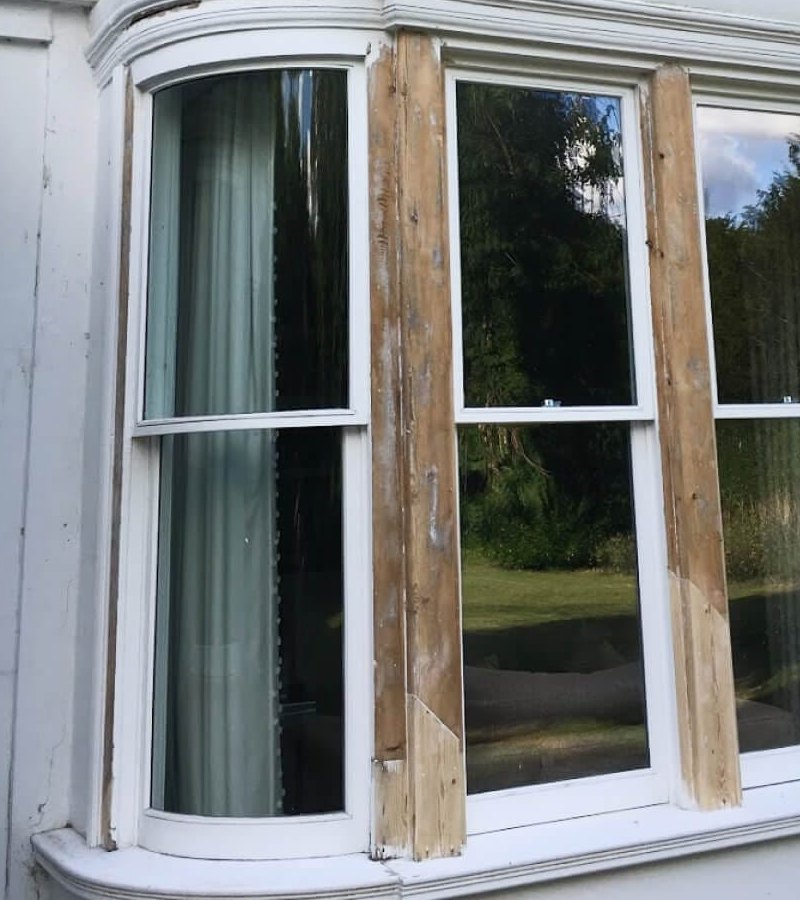
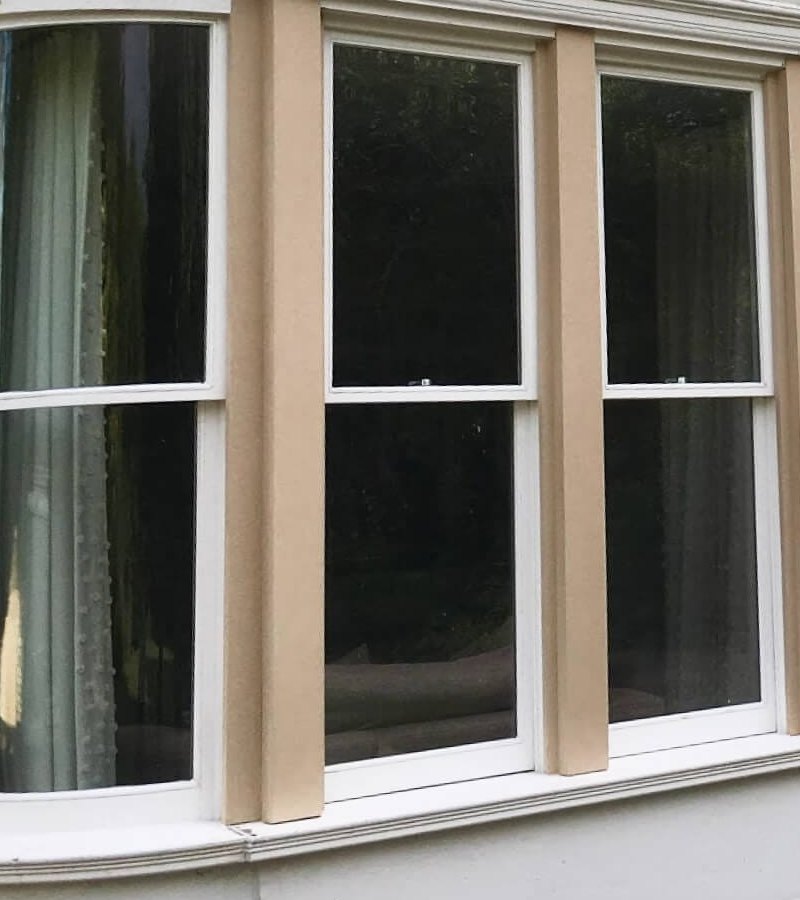
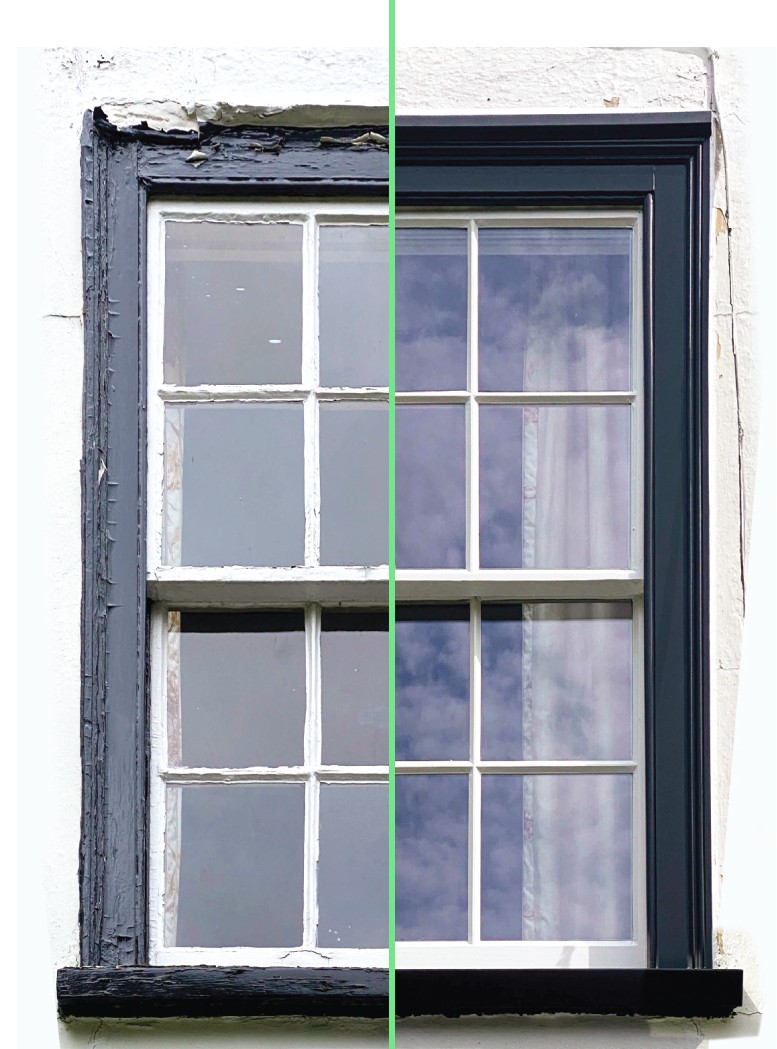 Before After
What customers say



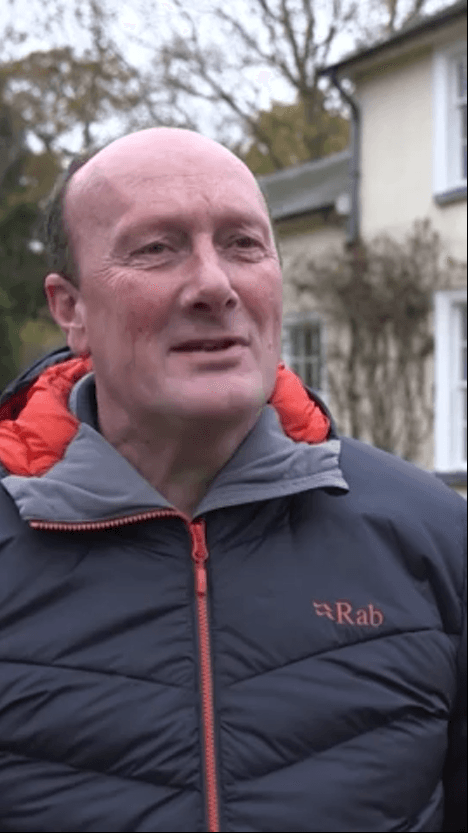

Is this happening to your windows?
Sash windows usually fail from the bottom up. The sill and the bottom rail take most of the rain, so that is where rot starts. Putty dries out and falls away, cords snap, and the gaps around the sashes let the cold in.
A fresh coat of paint hides the damage for a while, but the rot underneath keeps spreading. Almost every old sash window can be repaired properly instead: the rotten timber comes out, new timber goes in, and the weak spots are protected so the same repair isn’t needed again in three years.
Like every wooden part of a period home, sash windows need looking after. They face the weather every day, and without proper repair and upkeep their life is cut short. Looked after properly, the original windows outlast any replacement.
Below are the common problems and what we do about each one.
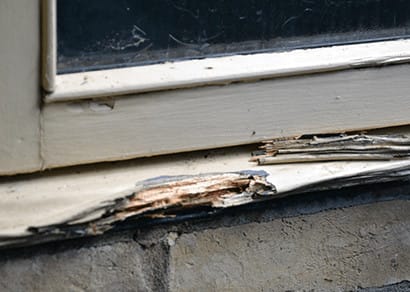
Rotten sills
Rot cut out, new Accoya timber spliced in
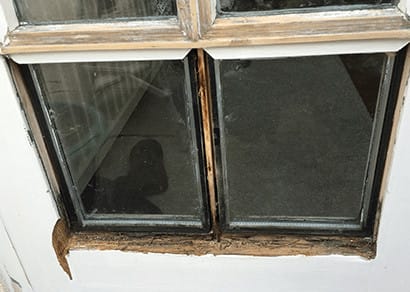
Rotten beading
New staff and parting beads, with weather-stripping
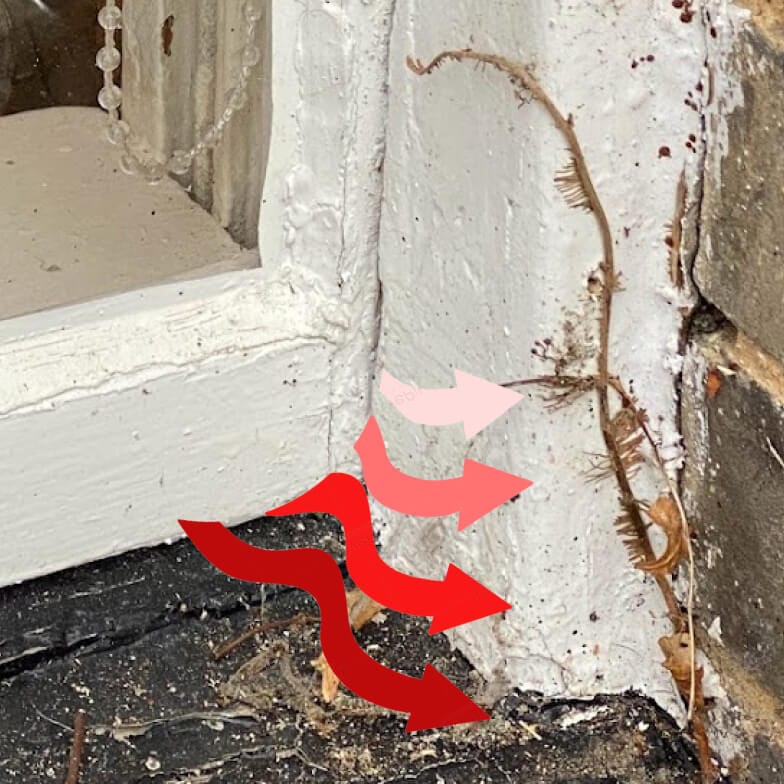
Cold draughts
Draught-proofing seals around every sash
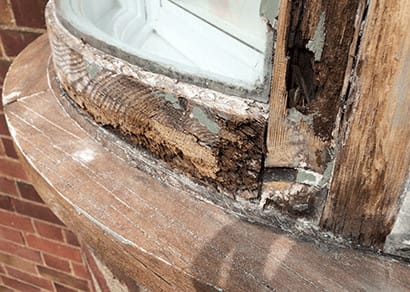
Rotten frames
Frames repaired in Accoya, with a 20-year guarantee
Cracked glass
New glass, or slim double glazing
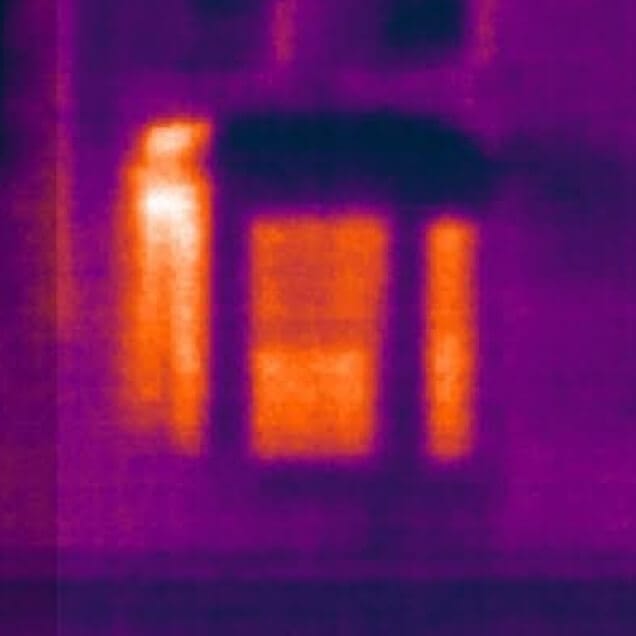
High heating bills
Slim double glazing in your existing sashes
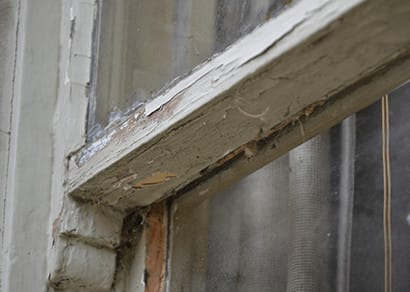
Loose or missing putty
Reglazed and sealed
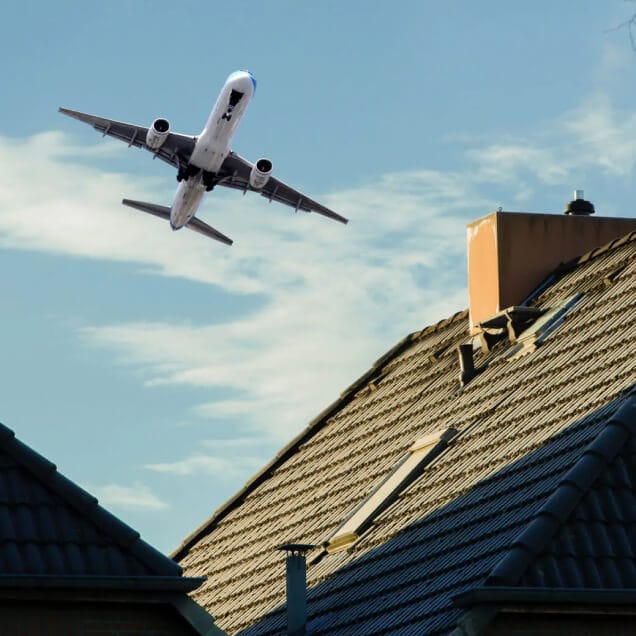
Outside noise
Slim double glazing cuts the noise
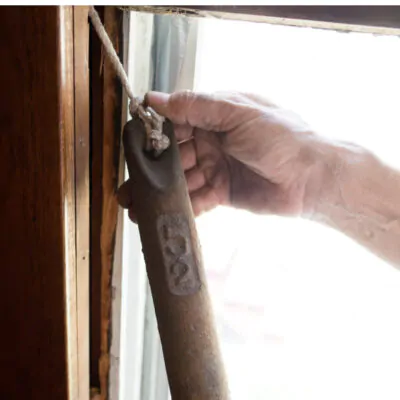
Stuck or rattling sashes
New cords and rebalanced weights
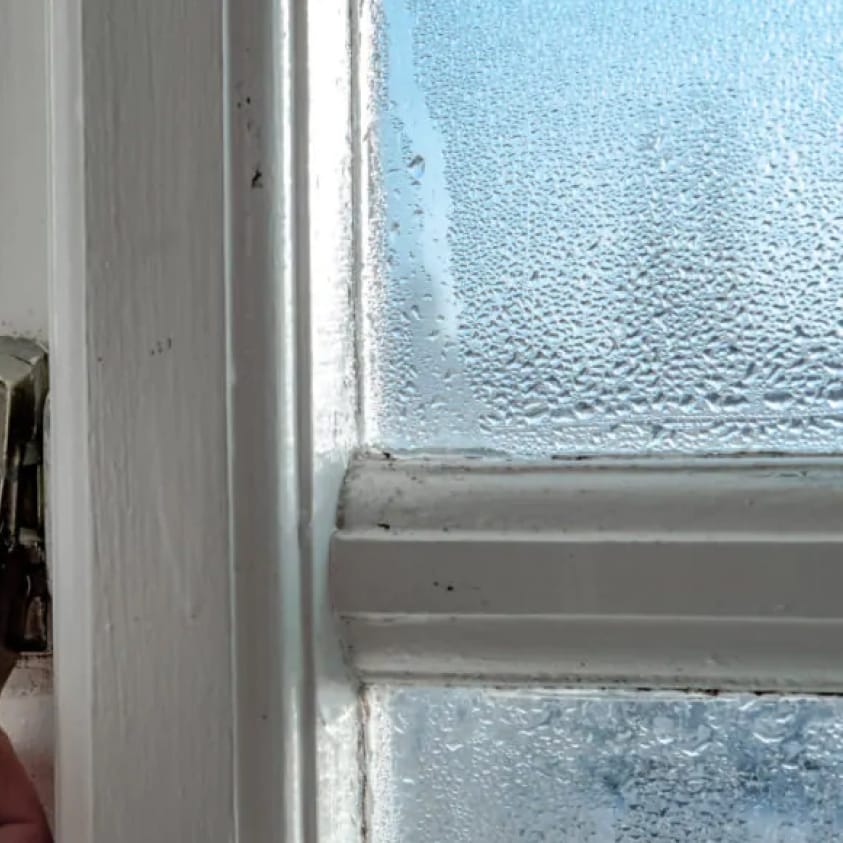
Condensation
Slim double glazing and draught-proofing
Repaint, patch, replace, restore or reglaze?
Five ways to deal with old sash windows, and what each one really costs.
Swipe the table sideways to compare all five.
Repaint and fill
Patch repairs by a joiner
Replace the windows
Our method Restore
Our method Restore and reglaze
Why the other three don’t last
Repainting: the rot carries on under the paint
Decorators charge £250–£350 to repaint a sash window, or £370–£450 with small repairs in wood filler. It looks fine for a while, but filler shrinks and cracks within two or three years, and the rot under the paint keeps going.
Most homes end up in a three-year cycle: in a typical three-bedroom house with ten windows, that is about £4,000–£5,500 each time, before you count finding decorators, collecting quotes and having people in and out of the house.
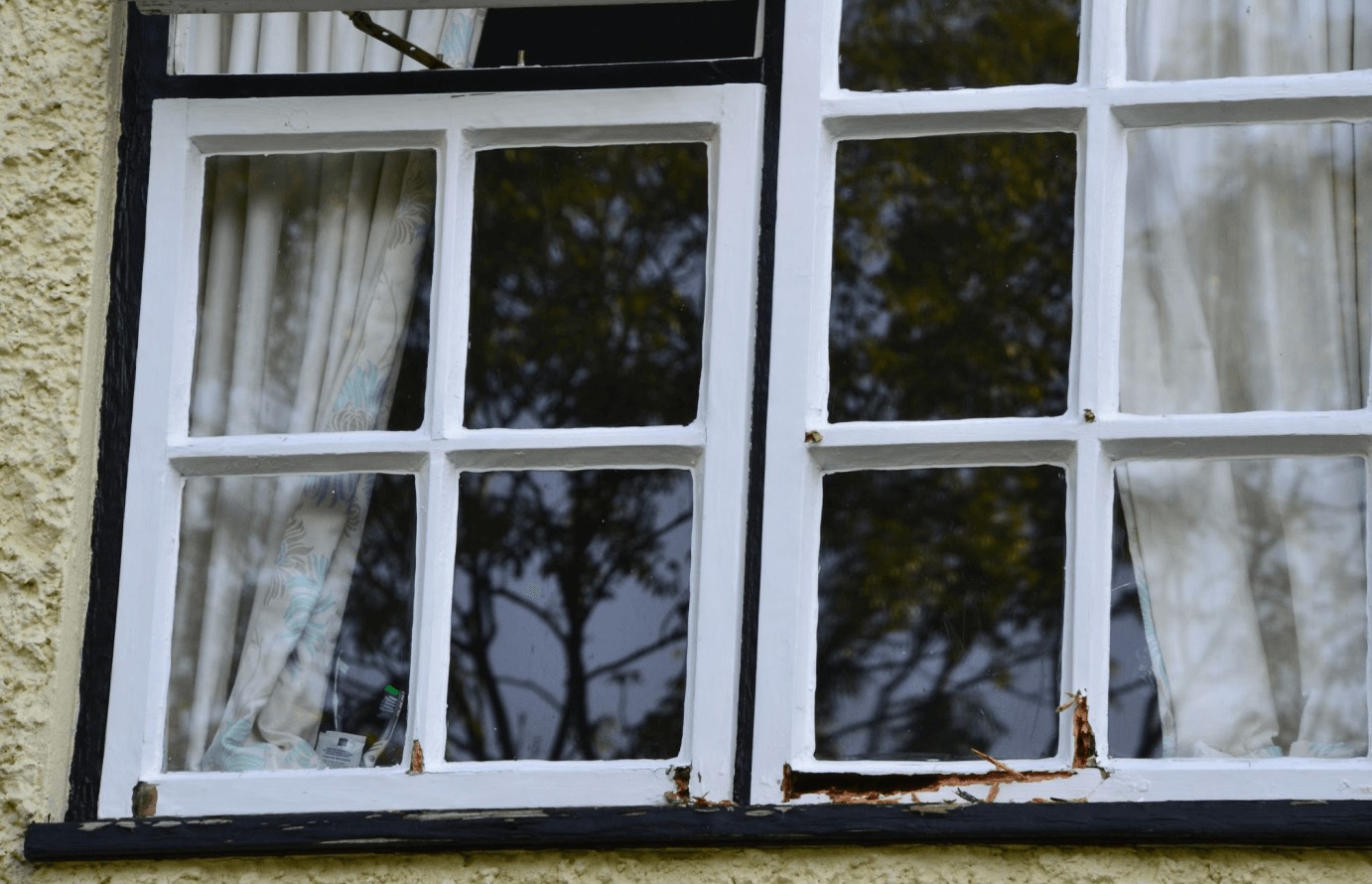
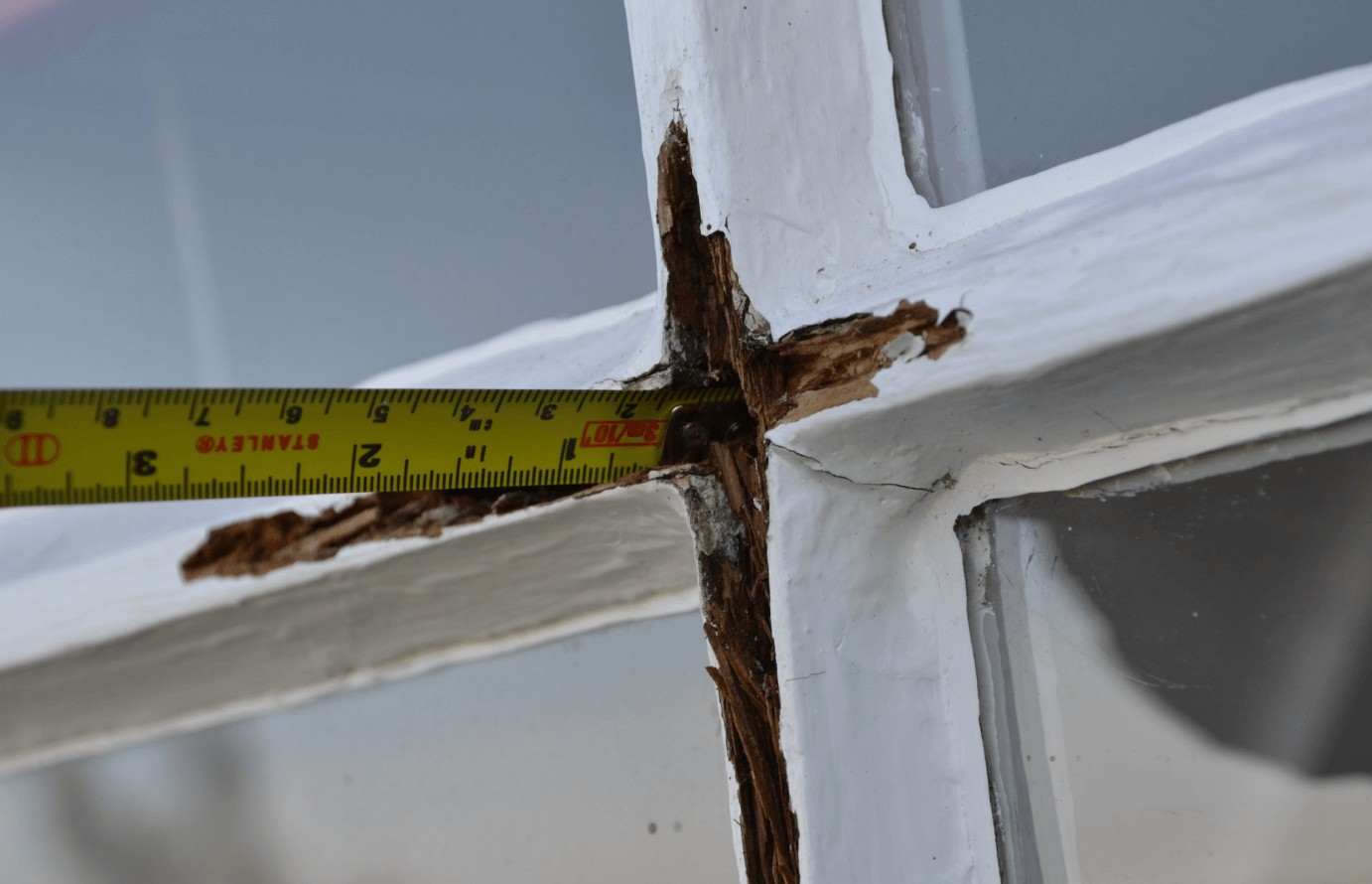
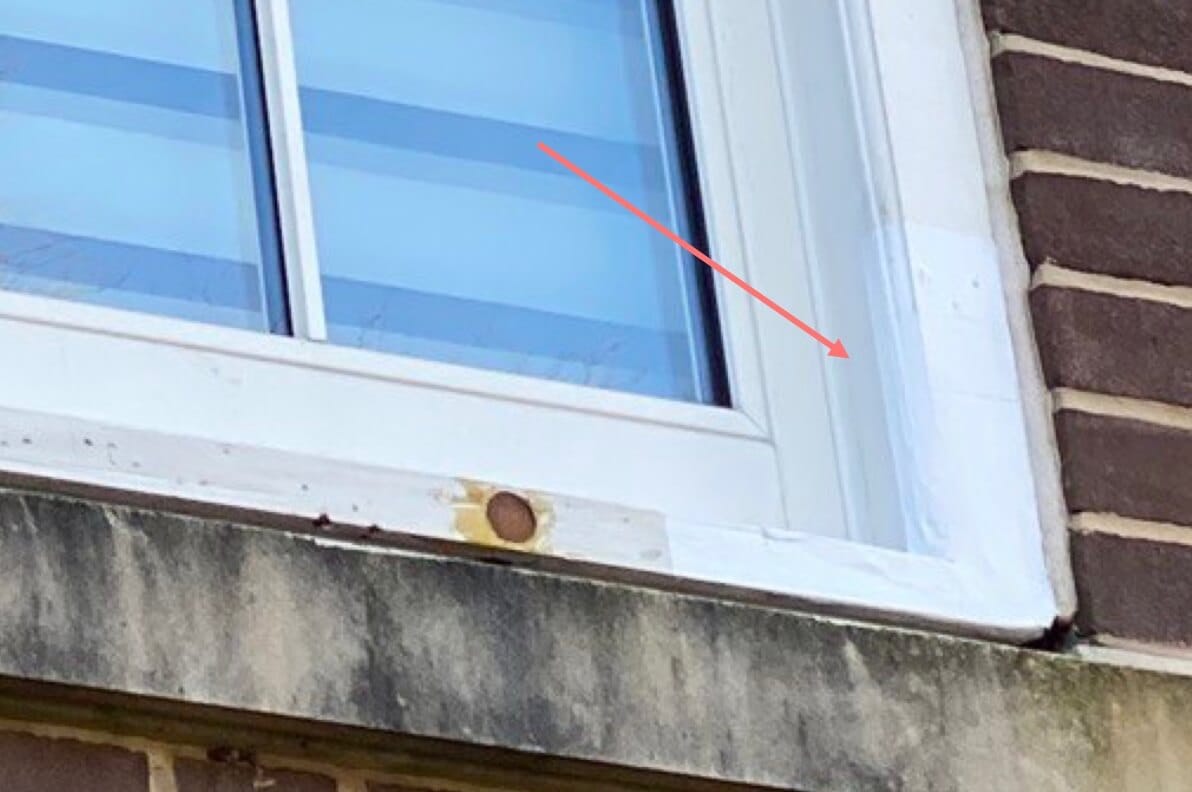
Painted windows from our surveys: the rot carried on underneath.
Spliced repairs by local joiners: the screws and filler move
Local joiners cut out the rotten parts, splice in new pieces of wood screwed into the frame or sill, and fill the gaps with a two-part filler such as DryFlex. It looks better than a repaint, and it costs £750–£900 a window, plus £250–£300 for painting.
But timber swells and shrinks with the seasons. The screws and filler move with it, the paint cracks and water gets back in, so the rot starts again. And the repairs always show on a freshly repaired window.
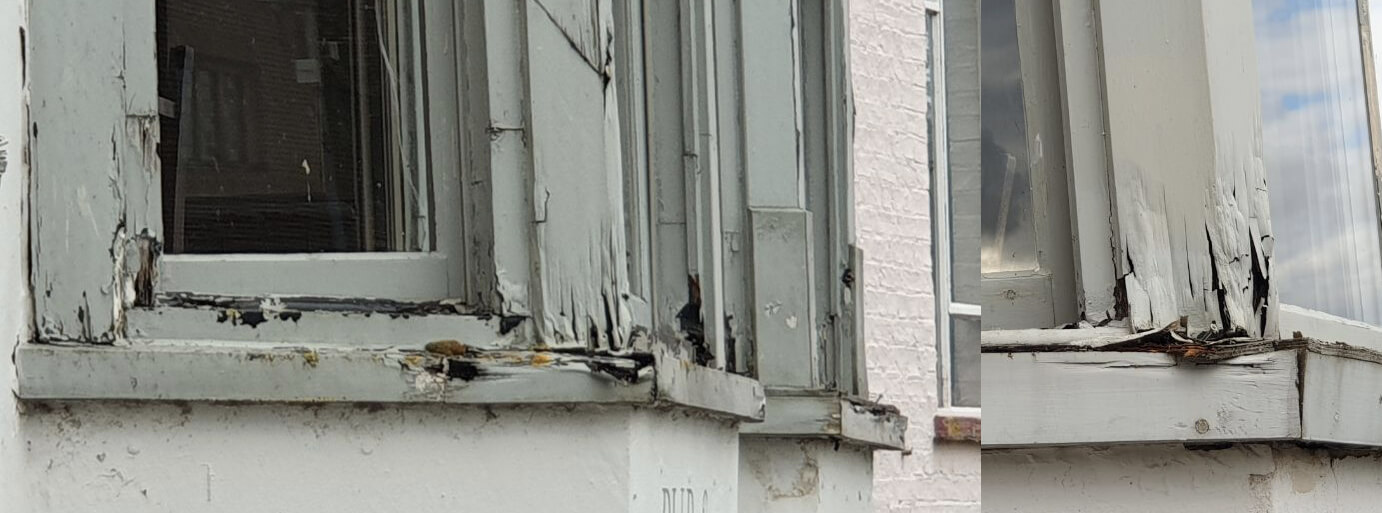
Spliced repairs by a local joiner, a few years on: the paint has cracked along the joints and the wood is decaying again.
Replacing: new softwood can rot within five years
New sash windows cost £1,800 each in softwood and from £2,500 in hardwood. The price also covers taking the old windows out and disposing of them, scaffolding, fitting, painting inside and out, and making good.
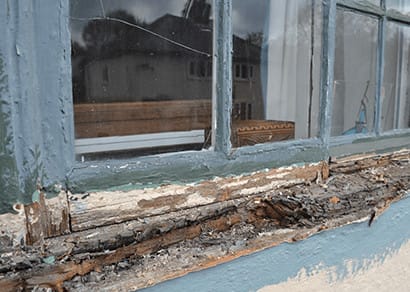
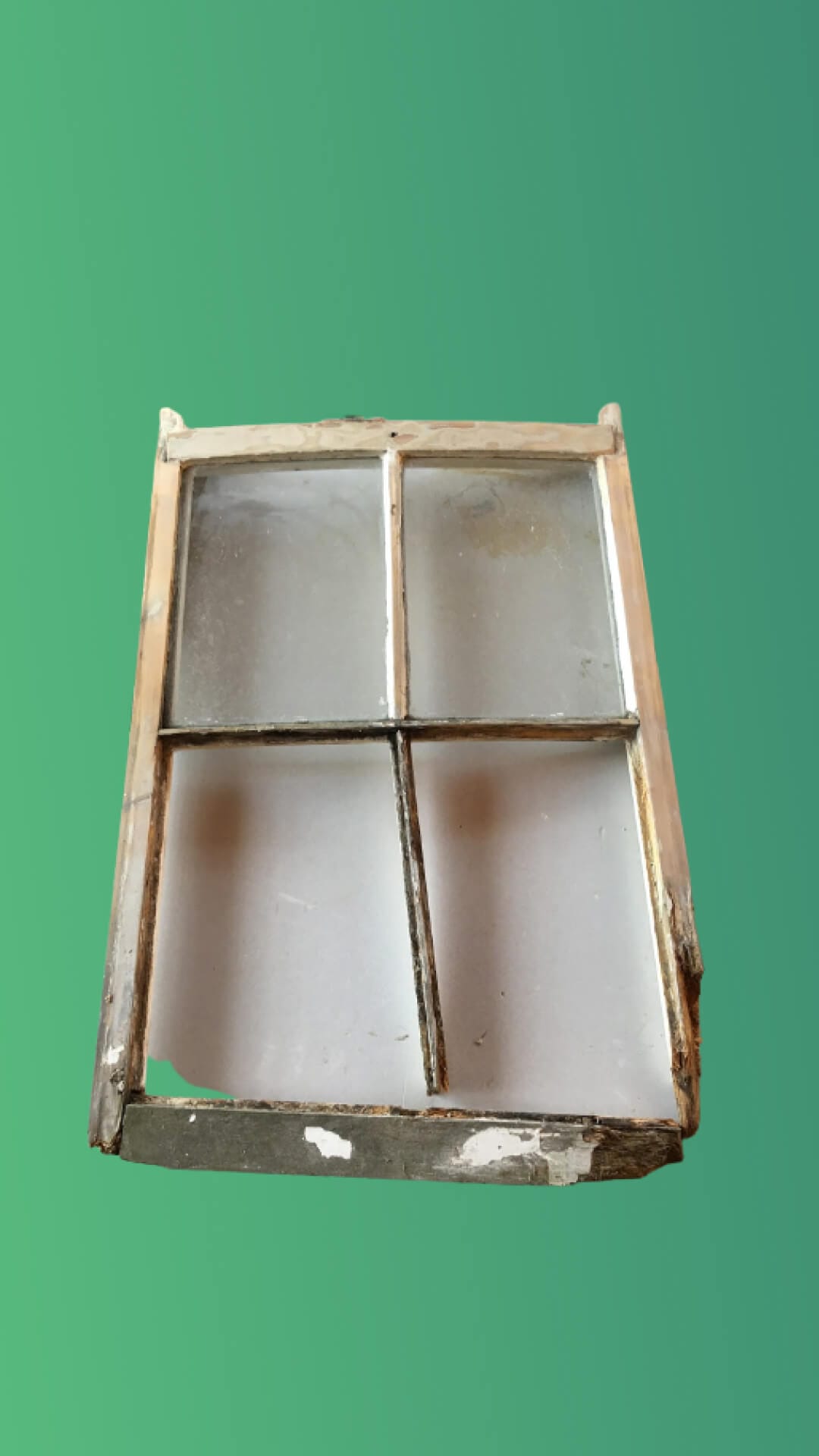
They look new, at first. But softwood sashes can start to rot within five years, like these from one of our recent surveys, and in the first eight to ten years you can expect two rounds of maintenance: one redecoration, and one redecoration with repairs. A listed home or one in a conservation area needs permission first.
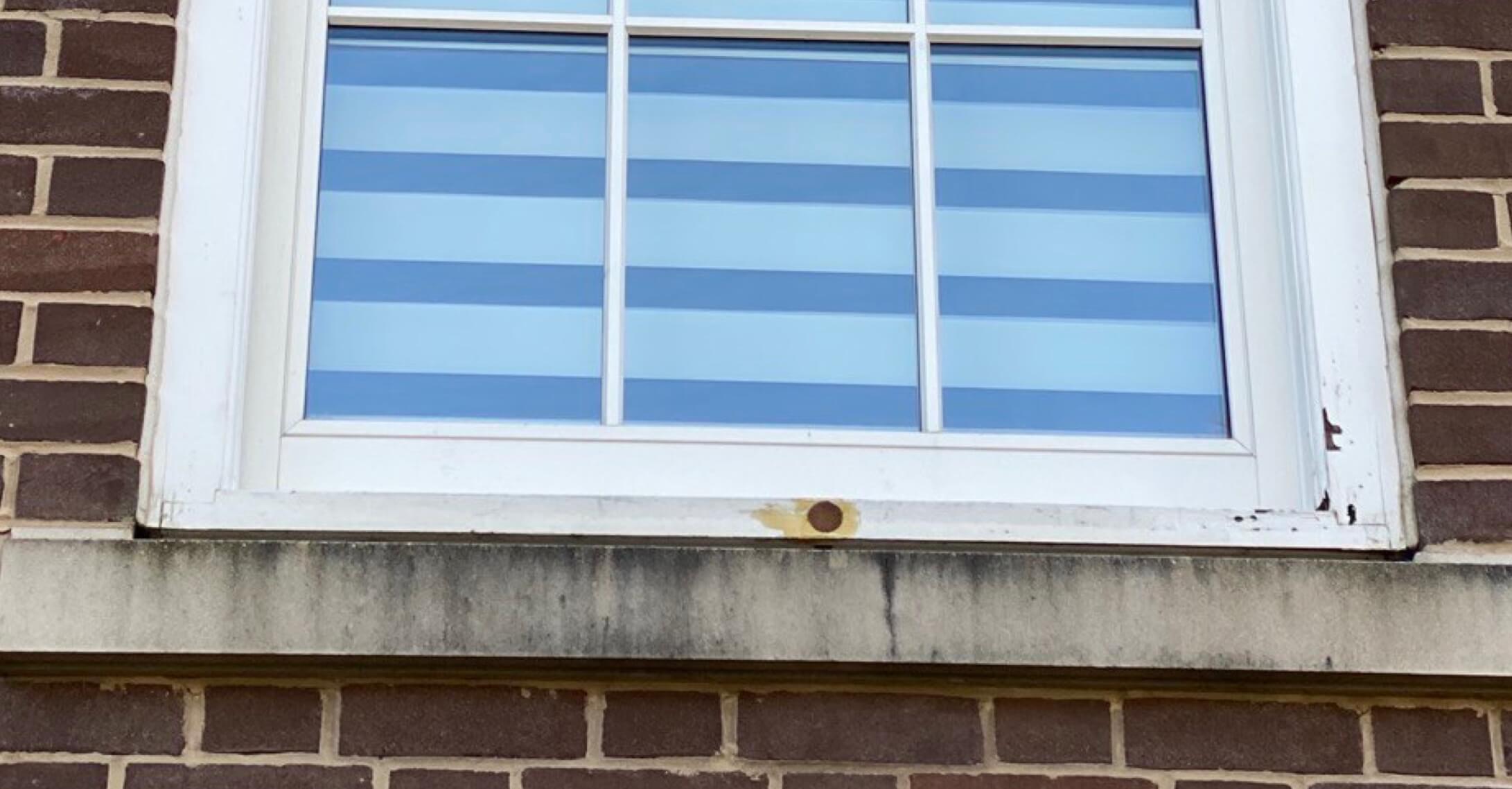
Our method
Spliced repairs, then lamination in Tricoya
We cut the rot out, splice in new timber and laminate the parts where rain sits, the bottom rail, meeting rail and sill, in Tricoya: guaranteed for over 50 years above ground. Done once and done properly.
- No filler and no patches to see
- New cords, weights and draught-proofing seals
- Approved by conservation officers on our listed projects
20-year guarantee on every timber repair
What sash window restoration costs
One package in three levels: each includes everything in the one before. Guide prices for an average-size sash window, and for a typical three-bedroom house with ten. We confirm the price once we have seen your windows.
Swipe the table sideways to see all three levels.
What it gives you
- No more draughts or rattles
- Warmer rooms, without new glass
- Windows still open for fresh air
Draught-proofing
£210–£310a window
£2,100–£3,100 for ten windows
On top of draught-proofing
- Rot cut out, not painted over
- Sashes that slide again
- Decades of life, with a 20-year guarantee
Restoration and repair
From £650a window, typically £770–£910
£7,700–£9,100 for ten, typically
On top of restoration
- Warmth on a par with triple glazing
- Less outside noise
- Your original sashes and slim bars stay
Restoration plus slim double glazing
From £1,050a window, typically £1,050–£1,550
£10,500–£15,500 for ten, typically
Get your estimate
No form and no visit needed: send us photos of your house and we email you an estimate, usually within 15% of the final price.
What to send
- A photo of each side of the house with sash windows, taken far enough back that every window is in it
- Your full address, with the postcode
- How many windows you have
or send them to
We reply within one working day and send your estimate within three. Minimum order: 5 windows.

“Extremely happy with the end result.” James, Suffolk
The slim double glazing that replaces your single glass
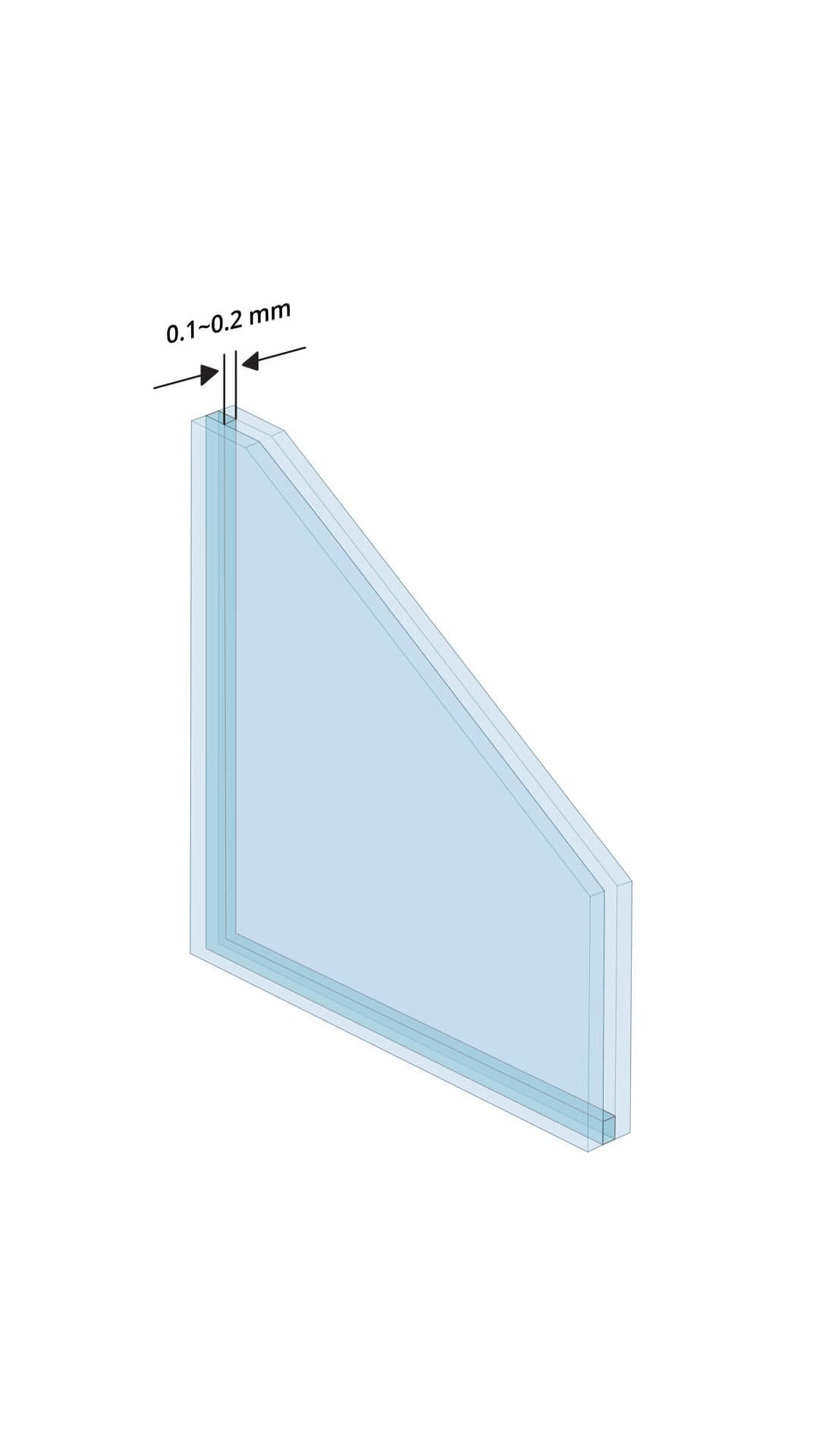
Vacuum double glazing, only 8 mm thick, fitted into your original sashes as part of the restoration. A few words on how warm it keeps the house, how it looks and how we fit it.
- Warmer rooms and lower heating bills
- Less outside noise
- Better security
- No more cold draughts
How warm it is
How much heat escapes through the glass
- Single glazing5–5.8
- Triple glazing (argon), 24 mm0.6
- Our vacuum glazing, 8 mm0.48–0.7
The lower the U-value, the less heat escapes. Our vacuum glazing lets out about a tenth of the heat single glazing does: on a par with triple glazing, at a third of its thickness.
How it looks
Your original glazing bars stay
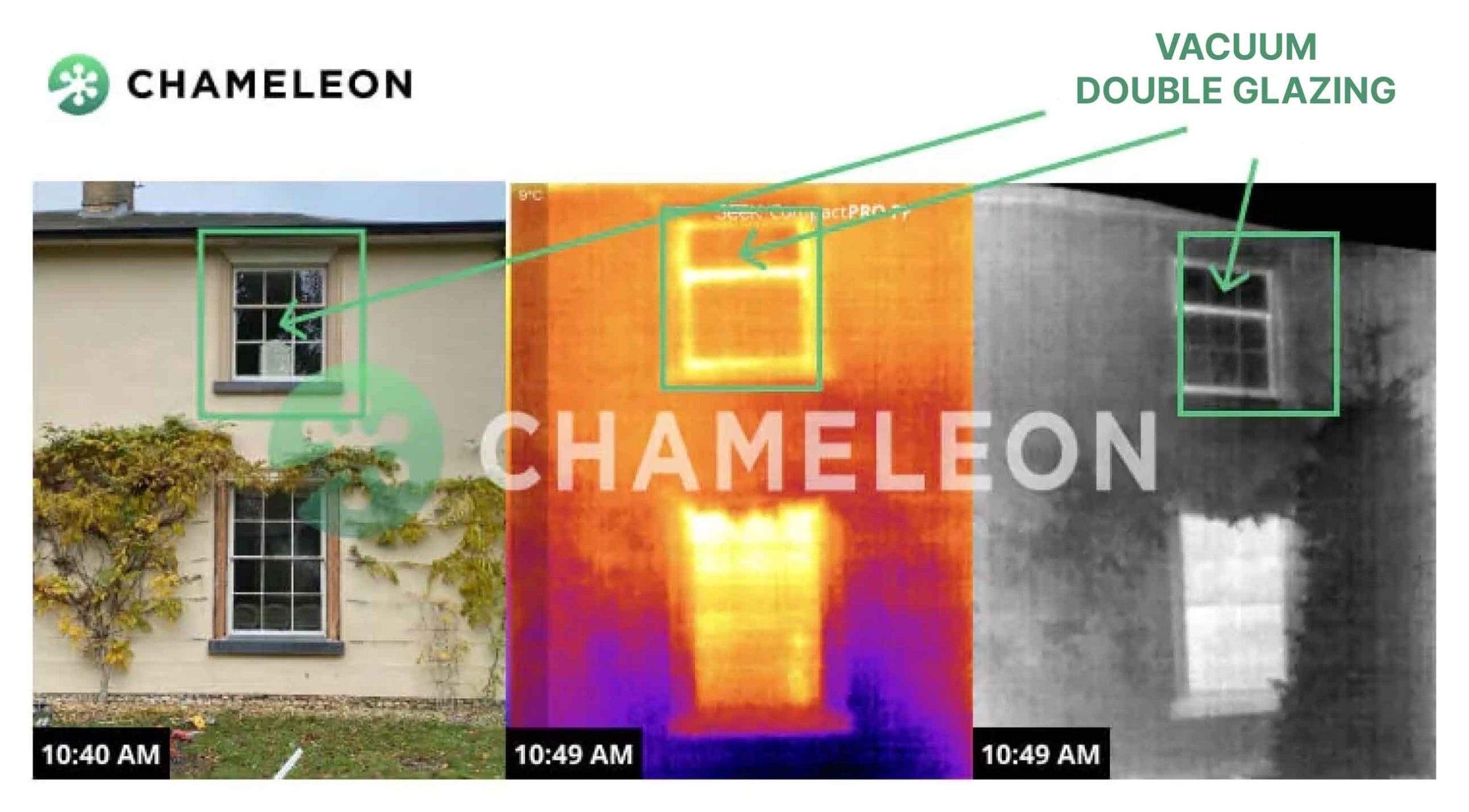
We reglaze each pane in the sash it came from, so the slim original glazing bars stay. The windows look as elegant as they always did, not like new double-glazed sashes with their thicker bars.

Original sash windows that our team repaired and retrofitted with vacuum double glazing. The slim bars are the originals.
How we fit it
Made ready on site, back in the same day
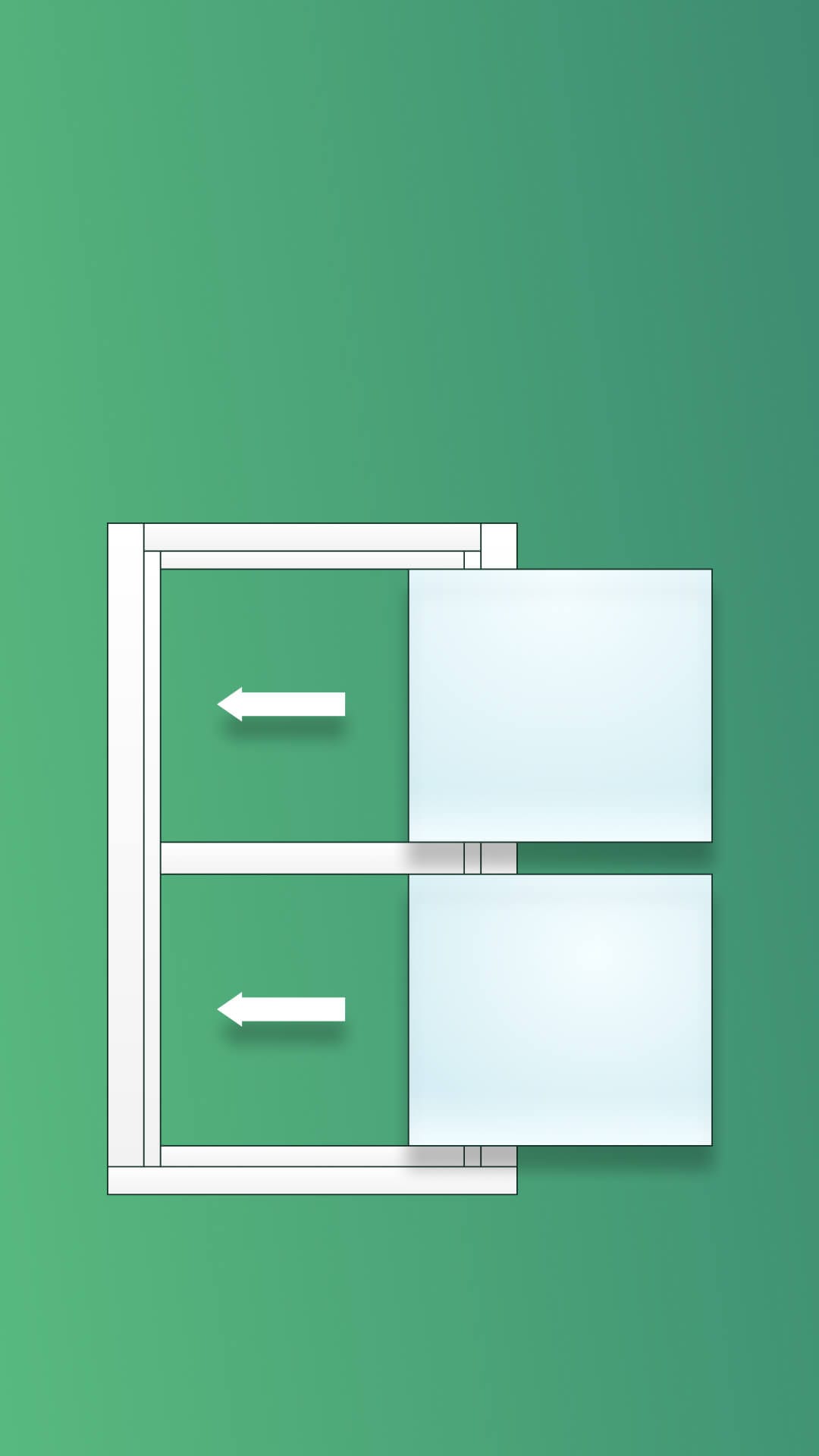
Standard double glazing won’t fit an old sash, and the frames were never made to carry its weight. Where a rebate is too narrow we widen it, and we reinforce weak joints with slim metal brackets, so the frame carries the new glass without cracking.
Heavier glass needs heavier weights and a careful rebalance, so we fit new weights, cords and locks. We do all of it on site, in our mobile workshop, and any sash we take out goes back in the same day, before night.
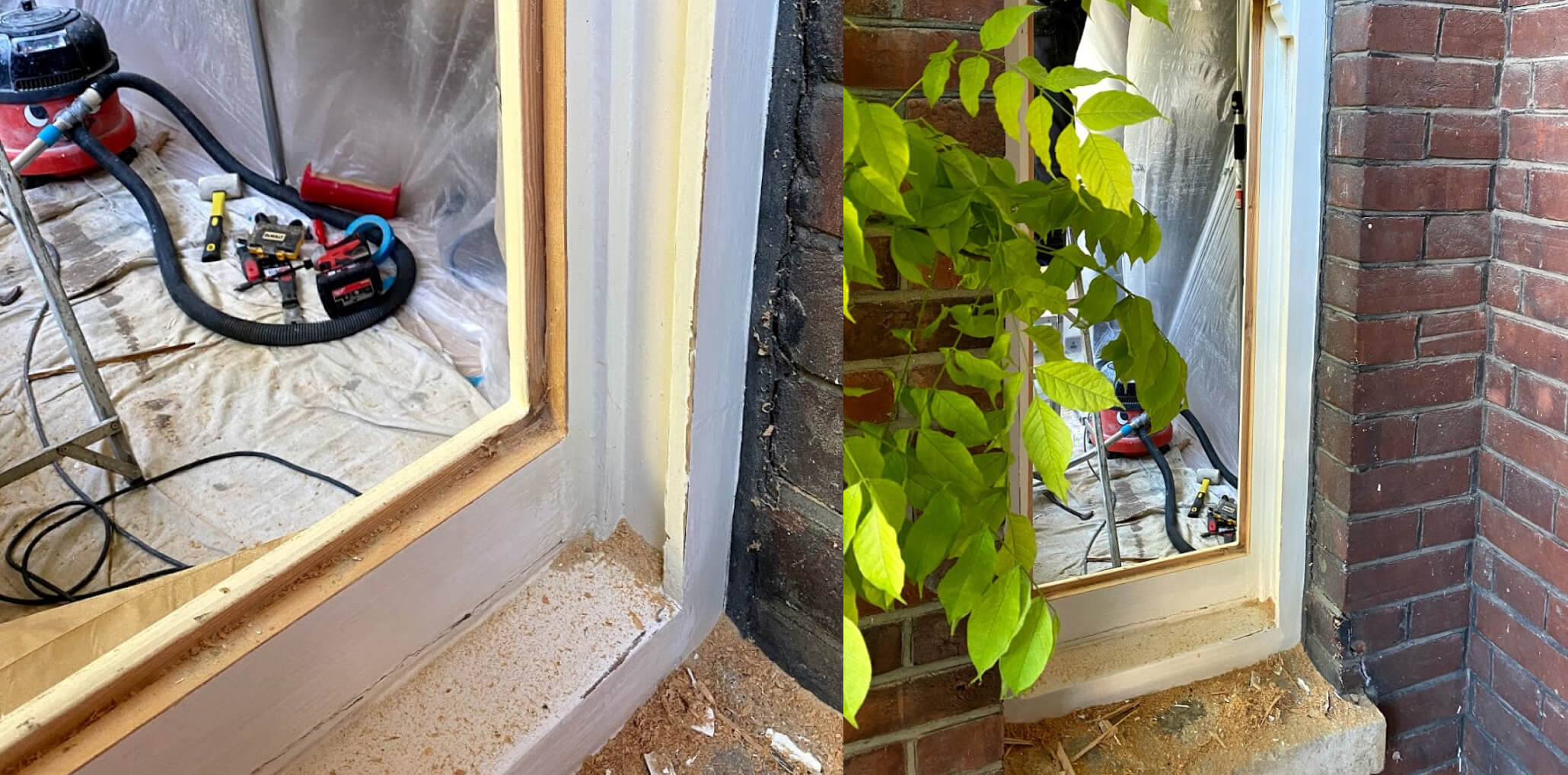
The sashes out and the frame being prepared on site for the new glass.
See how it works
Recent work
Swipe to see all six.
-

Sash window refurbishment in Hertfordshire
A listed period home with rot in many of its windows. Some upper sashes came out and went back in on the same day, and all the joinery was done on site in our mobile workshop.
-

Sash windows restoration in Suffolk
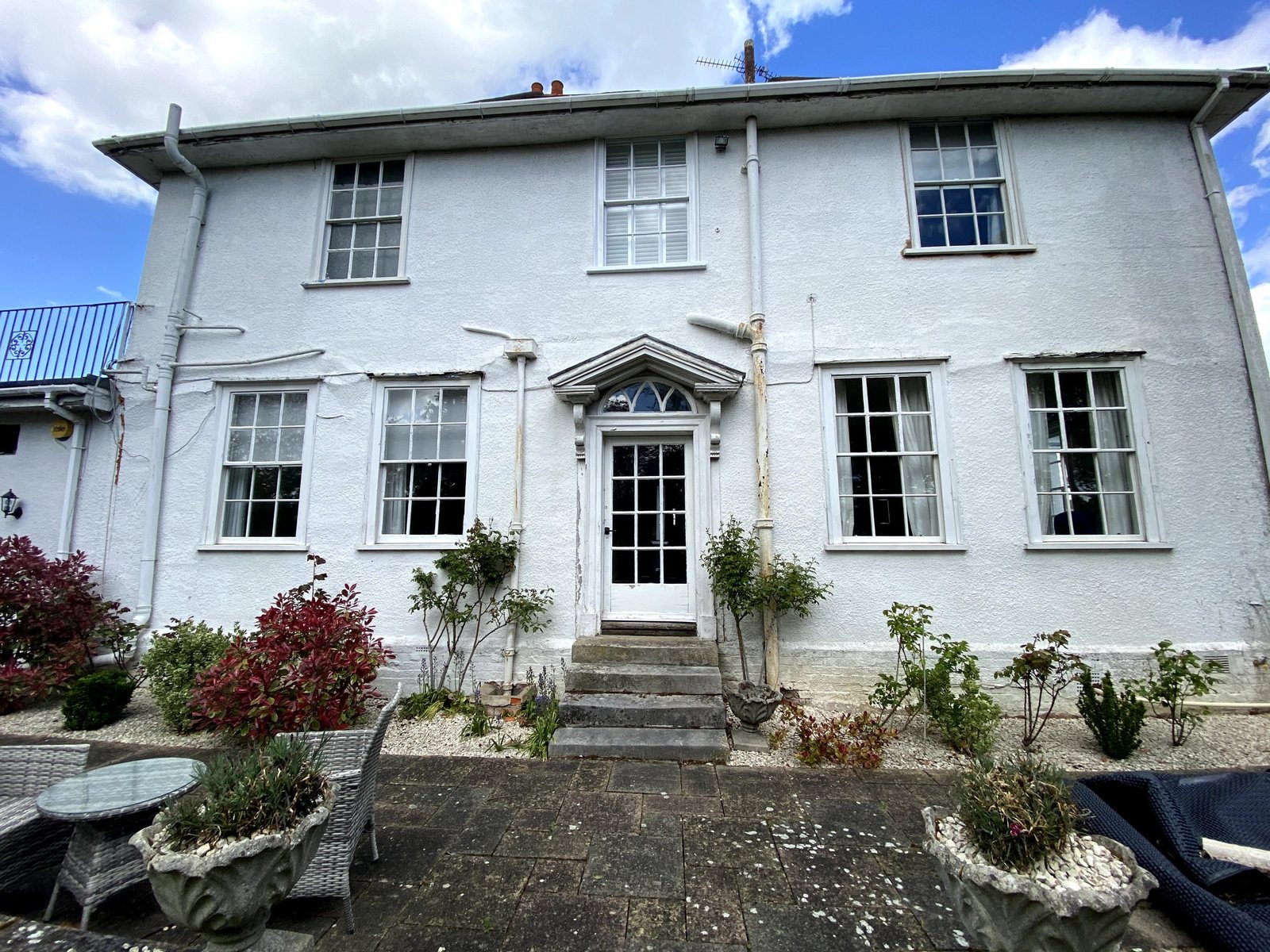
An imposing Georgian-style house with classic 6-over-6 sashes, and smaller 3-over-3 sashes on the top floor, all restored.
-

Thin double glazing installation in St Neots
Edwardian 6-over-1 sash windows. Each sash came out, had vacuum glazing fitted into its original frame on site, and was back in place by the same evening.
-

Retrofitting original sash windows with double glazing in Suffolk
A Georgian house with 6-over-6, 3-over-6, 4-over-8 and 6-over-9 sashes, restored and fitted with vacuum double glazing, with thermal-camera checks of the result.
-

Rotten casement windows restoration near Cambridge
Other companies had told the owner the rotten casements had to be replaced. We restored them, replacing only the timber that was too far gone and matching it to the original.
-

Double glazing fitted to existing windows in Chelmsford
A house in Chelmsford built in 1878. We stripped the paint, cut out the rot and spliced in new wood, then fitted vacuum double glazing into the original frames.
Where we work: Cambridgeshire, Hertfordshire, Essex, Suffolk, Bedfordshire and Buckinghamshire, and parts of London and the nearby counties. See the service map.
What happens after you get in touch
- 1
Send us photos
Email photos of your windows, with how many windows there are and your full address, to:
- 2
We send you an estimate
A price estimate for your windows, usually within 15% of the final price, so you know where you stand before anyone visits.
- 3
We meet for the quote
We look at the windows with you, then email you the final quote within three days.
- 4
We restore your windows
- 5–7 dayson site, for a house with 15 windows
- The same dayany sash we take out goes back in before night
- 8–16 weeksfor the glass, with double glazing: it is made to order, and we fit it as soon as it arrives
Questions about sash window repair
How much does sash window repair cost?
Restoring a sash window starts at £650, and an average-size sash usually costs £770–£910. With slim double glazing it starts at £1,050 a window, usually £1,050–£1,550, and that price includes the full restoration: rot repairs, new cords and weights, and draught-proofing. The minimum order is 5 windows.
Is it worth repairing old sash windows instead of replacing them?
Usually, yes. Restoring starts at £650 a window, against £1,800 or more for new softwood sashes, keeps the original look and needs no planning permission. New softwood sashes can start to rot within 5 years.
Is there a minimum order?
Yes, 5 windows.
What does the 20-year guarantee cover?
All our Accoya and Tricoya timber repairs: if rot comes back in a part we repaired within 20 years, we come back and fix it free. The vacuum glazing has a 15–25-year guarantee.
How long does a restored sash window last?
Decades. The parts that fail first are laminated in Tricoya, which is guaranteed to last over 50 years above ground even unprotected, and our timber repairs carry a 20-year guarantee.
What wood do you use?
Accoya and Tricoya. Both are modified to resist rot, which is why we guarantee our timber repairs for 20 years.
Can you free stuck or painted-shut windows?
Yes. We remove the paint that holds them during the restoration, fit new cords and pulleys where needed and rebalance the weights, so the sashes slide again.
Can you replace broken glass?
Yes. We replace broken or cracked panes and match the thickness and texture of the original glass.
Do you take the windows away?
No. We do all the work on site, in our mobile workshop.
Can I restore sash windows myself?
Some jobs, yes. A handy homeowner can replace a broken sash cord or free a painted-shut window, and our guides show how. Rot is harder to fix well at home: filler repairs tend to crack within two or three years, and laminating the rails and sill takes tools and jigs we make for the job.
Can you put double glazing in old sash windows?
Yes. We fit vacuum double glazing only 8 mm thick into the original sashes, as part of a full restoration. Where the rebate is too narrow we widen it, then strengthen the frame and fit heavier weights, so the sashes still slide and balance. A listed building needs consent first. How double glazing your sashes works.
My windows are rotten. Can you still double glaze them?
Yes. We repair the frames first: the rotten parts come out and new solid Accoya timber goes in, then the new glass is fitted.
Can you draught-proof without double glazing?
Yes. If double glazing isn’t an option, or you already have it, draught-proofing on its own is the best way to keep the house warmer. It is also part of every restoration we do.
Can you work on a listed building or in a conservation area?
Yes, we regularly do. Like-for-like timber repairs don’t need planning permission, because the windows look the same afterwards. Double glazing a Grade 2 listed building does need permission, so apply for it before any work starts. More on listed buildings.
Do you work in London?
Yes, in many parts of London, though not all. Sash window repair in London.
Get your free quote
1,000+ homes restored since 2008. Fully insured, with £5m public liability cover.